


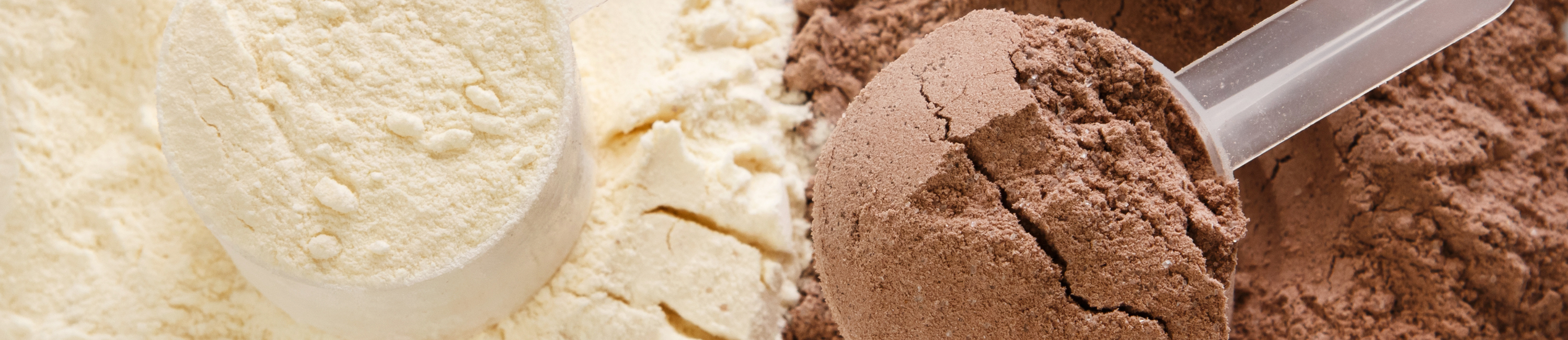
Protein isn’t just a gym thing anymore. Over the past few years, it’s quietly become one of the most talked‑about nutrients in longevity, metabolic health, cognitive resilience, and healthy aging. And for good reason: protein doesn’t just help you build muscle — it plays a role in nearly every system involved in how well you age.
Yet many people still think protein is only for bodybuilders or athletes. In reality, it may be one of the most underutilized tools in modern wellness.
Protein’s New Reputation: From “Macros” to Longevity Support
Protein has moved from the fitness fringes into mainstream wellness conversations because researchers and clinicians are increasingly focused on what actually predicts long-term health:
- Preserving lean muscle mass as we age
- Supporting metabolic flexibility and insulin sensitivity
- Maintaining strength, balance, and functional capacity
- Reducing age-related decline associated with inactivity and undernutrition decline associated with inactivity
Muscle isn’t just about aesthetics — it’s now widely recognized as a metabolically active tissue that helps regulate blood sugar, supports mobility, and plays a role in healthy aging outcomes. Adequate protein intake is foundational to maintaining it.
Most People Aren’t Protein Deficient — They’re Protein Under Optimized
The official Recommended Dietary Allowance (RDA) for protein is about 0.8 g per kilogram of body weight. That number is designed to prevent deficiency — not to optimize function, performance, or longevity.
Emerging guidance suggests that many adults, especially those who are active, over 40, or managing stress, may benefit from higher and more evenly distributed protein intake across the day.
Translation: It’s not just how much protein you get — it’s when and how consistently you get it.
Protein powders make this easier, especially for breakfast, post-workout nutrition, or busy afternoons when whole food protein isn’t convenient.‑workout nutrition, or busy afternoons when whole‑food protein isn’t convenient.
Why Protein Quality (Not Just Quantity) Matters
Not all protein behaves the same once you consume it.
High-quality proteins provide all essential amino acids and are efficiently digested and absorbed. Animal-based proteins like whey tend to score highly on digestibility and amino acid profiles, while plant proteins can also support muscle and health outcomes when thoughtfully combined or processed. Quality proteins provide all essential amino acids and are efficiently digested and absorbed. Animal-based proteins like whey tend to score highly on digestibility and amino acid profile, while plant proteins can also support muscle and health outcomes when thoughtfully combined or processed. Quality proteins provide all essential amino acids and are efficiently digested and absorbed. Animal‑based proteins like whey tend to score highly on digestibility and amino acid profile, while plant proteins can also support muscle and health outcomes when thoughtfully combined or processed.
Research around leucine — an amino acid involved in signaling muscle protein synthesis — has helped explain why certain proteins are particularly effective, although newer reviews emphasize that total protein dose and distribution still matter most.
Bottom line: you don’t need to chase biology jargon — you just need complete, well‑designed protein used consistently.
Where Genius Protein Fits In (No Matter Which One You Choose)
Protein should adapt to your routine — not the other way around. That’s why the Genius Protein lineup is intentionally simple, clean, and flexible, with options that work whether you’re aiming for recovery, daily nourishment, or additional wellness support.
1) Genius Protein (Chocolate & Vanilla)

Our classic whey + egg white protein blend is designed as a true everyday staple. It combines fast-absorbing whey isolate with medium-digesting egg white protein to deliver a complete amino acid profile that supports muscle recovery, strength, and general physical wellness.
Because it blends smoothly and comes in approachable flavors like Chocolate and Vanilla, it works just as well:
- Post workout
- At breakfast
- Mixed into coffee, oatmeal, or smoothies
This is protein for people who want quality without complexity — clean ingredients, no proprietary blends, and no artificial junk, supporting muscle and metabolic health as part of a balanced lifestyle. [health.harvard.edu]
2) Genius Protein + Nootropic Mushroom (Chocolate)

For those looking to go a step further, Genius Protein + Nootropic Mushroom layers additional functional support on top of high-quality protein.
This formula pairs hydrolyzed whey protein, which is quickly absorbed and easy to digest, with Turkey Tail mushroom, a functional mushroom traditionally used to support whole body wellness and gut-associated systems.
Rather than positioning protein as just a workout tool, this option fits naturally into routines centered around:
- Daily resilience
- Cognitive and physical demands
- Long‑term wellness habits
It’s still protein first — just with added versatility for people thinking beyond the gym.
Protein, the Brain, and Aging Well
While protein is often discussed in the context of muscles, its role extends further. Amino acids are required for:
- Neurotransmitter production
- Enzyme and hormone synthesis
- Immune system signaling
- Repair of tissues throughout the body
As part of a balanced diet, adequate protein helps support the systems that tend to become more fragile with age — especially when combined with strength training, movement, and restorative sleep.
This is why protein increasingly shows up in longevity frameworks rather than short-term diet trends.
How to Use Protein (Without Overthinking It)
A few simple guidelines:
- Aim for 20–30 grams per serving, spaced across meals
- Prioritize complete, digestible sources
- Use protein powders to fill gaps — not replace whole foods
- Pair protein with resistance training for the best long-term outcomes.
A scoop of Genius Protein + Nootropic works well:
- In smoothies
- Mixed with water or milk post workout
- As a protein rich afternoon snack‑rich afternoon snack
Consistency beats complexity.
A Quick Note for GLP‑1 Users
If you’re using a GLP‑1 medication (like semaglutide or tirzepatide), hitting your daily protein goal becomes even more important. Because these medications reduce appetite and slow gastric emptying, many people unintentionally undereat protein, which may impact lean mass during weight loss.*
A simple target that works well for most is 25–30 g of protein per meal, or 0.7–1.0 g of protein per pound of goal body weight per day.* Soft, easy‑to-digest protein sources—like smoothies, yogurt, eggs, cottage cheese, and a clean, gut‑friendly protein shake—tend to work especially well when appetite is low.
That’s one reason Genius Protein + Nootropic Chocolate is a smart choice: it’s light, smooth, and easy to sip, making it a convenient way to stay consistent with protein even on days when hunger is low.*
The Takeaway
Protein isn’t trending — it’s recalibrating how we think about wellness.
When you zoom out, protein sits at the intersection of strength, cognition, metabolism, and longevity. And when you choose clean, thoughtfully formulated options like Genius Protein + Nootropic, you’re not just chasing gains — you’re supporting the systems that help you stay capable, resilient, and sharp over time.
That’s not hype.
That’s smarter wellness.


